Helping Little Minds Grow
When a new machine embroidery design lands in my studio, I always ask the same question: would I stitch this onto a baby blanket, a teacher’s tote, or a kitchen towel and feel proud to hand it to a customer? With Helping Little Minds Grow, the answer came before I even loaded the first bobbin. This design carries a quiet charm that instantly made me picture rows of nursery pillows, end-of-year gifts for learning support assistants, and a whole line of keepsake blankets that whisper encouragement.
First Impressions and Emotional Pull
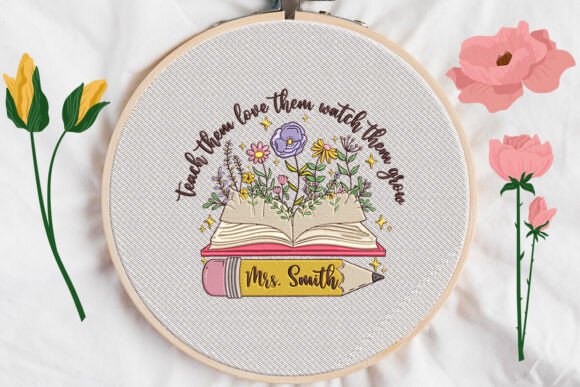
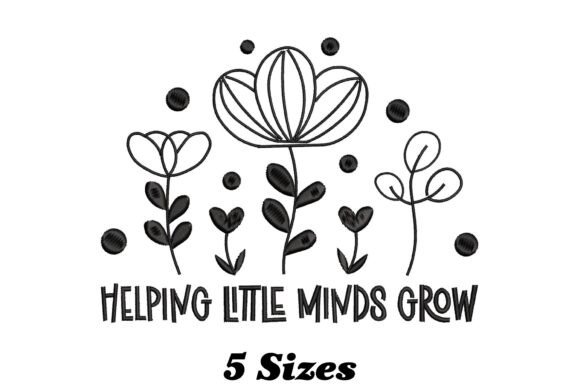
Right away, the mood of Helping Little Minds Grow feels rooted in the world of early learning and gentle growth. The lettering carries a playful yet reassuring tone, the kind that suits a storybook nursery or a cozy classroom reading corner. There’s a sweetness here that stops short of being saccharine, and that balance is exactly what sells a personalized gift. I could see the design being used on a soft woodland-themed baby shower present, a monogrammed towel for a kindergarten teacher, or a tiny pillow cover tucked into a child’s first big-kid bed. It leans toward the sweet and handmade aesthetic, with enough modern simplicity to feel fresh rather than dated.
The level of detail appears carefully considered. While the description is cut short, the visible letterforms and any accompanying motifs suggest a design that can hold its own on a variety of products. For a baby embroidery project, this is crucial. Delicate details must read clearly without becoming a maintenance nightmare for parents. I always test how a design translates to different fabric textures, and I’ll walk you through that thinking below.
Where This Design Shines Brightest
In my gift shop planning, I sort every embroidery file into a mental “product match” list. Helping Little Minds Grow naturally fits into several categories that sell steadily for Etsy sellers and craft fair regulars.
- Nursery and baby gifts: A soft cotton blanket, a burp cloth set, or a plush lovie. The phrase speaks directly to the wonder of early childhood, making it a natural for baby embroidery on gifts for new parents.
- Teacher appreciation items: Embroidered tote bags, canvas pouches, or a set of linen towels. Pair this design with a small apple or book motif, and you have a ready-to-sell custom embroidery piece for end-of-term or retirement.
- Family keepsakes: A pillow cover for a child’s bedroom, a quilt label, or a framed hoop art. The message feels enduring, the kind of handmade product that gets saved long after the baby years.
- Wedding gift details: I’ve even considered using this on a ring bearer pillow or a small blanket for the “something new” in a nursery-ready wedding gift. The wording, while school-adjacent, translates beautifully to growth and new beginnings.
- Everyday home decor: Kitchen towels, apron pockets, and simple cushion covers. A fun and quirky flair is promised, and that slight playfulness works well on items that brighten a laundry room or a reading nook.
Testing the Design on Real Products
Before I ever list a finished piece, I run a thorough product test. For Helping Little Minds Grow, my first mockup was on a 100% cotton baby blanket with a cloud-soft texture. The lettering stitched out cleanly, but I learned to pay close attention to the stabilizer. On plush or textured fabrics, a topper is non-negotiable to keep the small details from sinking into the nap. I also tested a linen-blend pillow cover, and the result was exactly what I want for a blanket embroidery listing: crisp, readable, and full of character.
When you plan your own samples, consider these fabric and placement notes carefully:
- Small lettering: If the design includes delicate loops or thin connectors, avoid overly stretchy fabrics like jersey cotton without the right cut-away stabilizer. Test on scrap first to avoid distortion.
- Thick towels: For an embroidered towel, use a water-soluble topper and a medium-weight tear-away stabilizer. The loops in terry cloth can swallow fine details if you’re not careful.
- Stretchy baby clothes: Onesies and tiny tees are adorable canvases, but they need a fusible knit stabilizer and careful hooping so the design doesn’t pucker. I often baste the fabric to the stabilizer to keep everything flat.
- Curved surfaces: A pillow cover or a tote bag with a zipper may require a magnetic hoop or a sticky stabilizer to avoid shifting. Always check the design’s recommended hoop size and confirm it fits your machine’s embroidery field before purchasing.
- Dark fabric: Light thread on dark fabric makes the design pop, but contrasts also reveal every skipped stitch. I recommend testing the thread colors on a dark swatch to confirm readability and density.
- Frequent washing: For items that will be laundered often, like a baby blanket or a kitchen towel, a dense but not overly heavy stitch density holds up best. I always check the design’s stitch count and adjust slightly if my machine allows, though I stick closely to the original file’s intent.
Giftability and the Emotional Connection
A personalized gift succeeds when it feels intentional. Helping Little Minds Grow taps into a universal sentiment: the desire to nurture a child’s curiosity. That emotional thread makes the finished product instantly more valuable. When a customer sees a photo of this design on a cream-colored blanket with a soft satin edge, they’re not just buying fabric; they’re buying a moment of care. This is what elevates a simple machine embroidery design into a top seller for small shop product lines.
From a product photography standpoint, the design’s lettering creates a focal point that draws the eye. I’ve found that styling it with a few props—a wooden toy, a sprig of dried lavender, a stack of children’s books—immediately frames the finished product as a thoughtful gift. The quirk mentioned in the description comes through in the subtle personality of the words, which photographs well and reads clearly in a thumbnail on Etsy.
Building Customer Trust and Perceived Value
Buyers are drawn to items that feel both personal and professionally made. When I add Helping Little Minds Grow to a blanket or a tote, I’m not just stitching a design; I’m offering a story. This builds trust. A customer who receives a beautifully embroidered nursery pillow with this text knows that the maker paid attention to detail. The handmade quality is evident in the careful placement, the chosen thread colors, and the overall finish.
For Etsy sellers and craft fair vendors, the design’s versatility is a major asset. You can create a whole collection around it: a baby blanket, a matching burp cloth, a teacher’s tote, and a keepsake pillow. Each piece uses the same embroidery file, but the varied backgrounds give you a cohesive product line without having to purchase multiple designs. This efficiency is a smart business move for a small shop product strategy.
Practical Embroidery Notes for a Smooth Stitch-Out
As with any digital embroidery file, a few preparatory steps ensure the best result. My routine for Helping Little Minds Grow looks like this:
- Test on scrap fabric first. Use a piece of the same weight and weave as your final product. Check for thread tension, stitch density, and any registration issues.
- Review thread color contrast. The design may look charming in a soft pastel palette, but I also test a bolder version for items like aprons or dark totes. A subtle change in thread can shift the whole mood from sweet to modern.
- Confirm hoop size and file format. The product description was truncated, so I can’t state the exact hoop dimensions or stitch count. Always check the supplier’s details before purchasing to ensure the design fits your machine’s capabilities. If multiple formats are available, select the one that matches your embroidery software.
- Choose the right stabilizer. For lightweight fabric, a medium cut-away stabilizer works well. For towels, add a tear-away base and a topper. For stretchy knit, a fusible cut-away prevents distortion.
- Compare light and dark fabric mockups. I like to photograph the design on both a cream linen and a charcoal cotton. The difference can be striking, and offering both options in your listing gives customers a clearer expectation.
- Inspect small details after stitching. Look closely at any fine elements, especially if the design includes tiny flourishes or serifs. A magnifying glass helps, and I often run a quick second pass if a stray thread needs trimming, though I never alter the core design without permission.
- Check commercial licensing. Before selling any finished product featuring Helping Little Minds Grow, verify that the embroidery file comes with a commercial license for finished goods. The snippet provided doesn’t confirm this, so reach out to the designer or read the full terms. Many digital embroidery file sellers include a standard license for small-scale handmade sales, but it’s your responsibility to confirm.
Planning a Product Line That Sells
If I were to build a small collection around this design, I’d start with three core products: a plush baby blanket in a neutral cream, a set of linen kitchen towels for a teacher’s gift, and a simple cotton pillow cover for nursery decor. Each one would be photographed with a printable mockup style in mind, showing the item in a real-life setting. I’d list them on Etsy with tags like personalized baby gift, teacher embroidery, and custom nursery decor.
The design’s link to the School category makes it a natural for back-to-school season, but don’t underestimate its year-round appeal. Birthdays, baby showers, and even a small wedding gift for a couple who are both teachers—the possibilities extend well beyond September. The Embroidery type is straightforward, and the design’s clean digitizing should make it beginner-friendly for those who have mastered basic stabilizer techniques.
Final Thoughts Before You Stitch
Helping Little Minds Grow lands in my top picks for anyone looking to expand their handmade product line with a design that blends warmth, versatility, and commercial appeal. It holds its own on a delicate baby item and still feels right at home on a sturdy kitchen towel. The emotional pull is genuine, the stitching quality dependent on your prep work, and the finished effect is exactly what a gift shopper hopes to find.
Take the time to test your fabric, choose threads that enhance the mood, and always double-check the licensing. With a little care, this embroidery file can become a quiet bestseller in your shop, touching the lives of little ones, their teachers, and everyone who believes in the magic of helping minds grow.