Teacher Apple Embroidery Design: A Craft Fair Seller’s Review
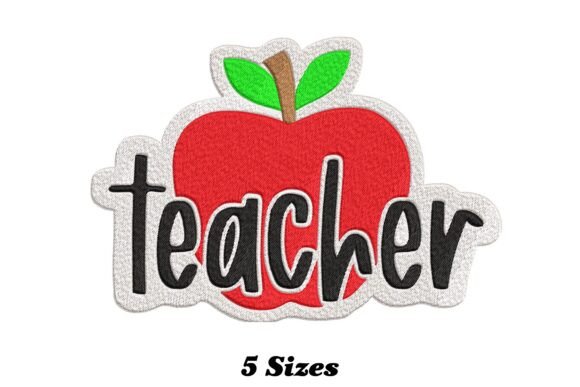
When I first opened the Teacher Apple embroidery file, I immediately felt that balance between playful and polished. It’s not an overly cutesy schoolhouse apple; it’s described as bringing a hint of elegance with a lively, quirky touch. That combination is exactly what catches a buyer’s eye at a busy craft fair. The design reads as modern, slightly decorative, and confident enough to stand alone on a tote bag, yet subtle enough to accent a tea towel. For anyone curating a booth of handmade products, this design hits a sweet spot: it appeals to teacher gift shoppers, back-to-school browsers, and anyone who loves a fresh take on a classic symbol.
First Impressions: Playful Meets Elegant on the Hoop
Right away, Teacher Apple feels like a design that will photograph beautifully. It’s not a heavy, dense block of thread; it seems to have a lightness that lets the fabric breathe, which is a huge plus for selling at markets where customers touch everything. I’d describe the personality as farmhouse-meets-modern with a hint of whimsy. The word “playful” in the description tells me it’s probably not a hyper-realistic apple, but a stylized one—maybe with a decorative leaf, a subtle swirl, or a delicate accent line. That kind of design is a magnet for shoppers who want something handmade but not childish. It’s the kind of piece that makes a teacher smile without screaming “school supplies,” which means it sells year-round, not just in August.
Where Teacher Apple Shines in a Craft Fair Booth
After years of setting up tables, I know which products pull people in from three feet away. Teacher Apple works best on items that have a flat, smooth surface and a natural, neutral background. My top picks for this design would be natural canvas tote bags, linen aprons, and flour-sack tea towels. On a tote bag, centered boldly, it creates a clean, boutique look that justifies a $28–$35 price point. On a tea towel, stitched in the corner or as a focal point, it feels like a high-end kitchen accessory that teachers would love to receive as a gift. I’d also test it on a fabric pouch or a simple zippered bag—those little items are impulse buys at $12–$18, and a well-placed Teacher Apple makes them feel intentional, not just another sewn scrap.
From Caps to Pillow Covers: Versatility Check
Not every design translates well to curved surfaces, but Teacher Apple seems adaptable. If it’s a relatively compact, centered motif, it would sit nicely on the front of an unstructured cap without too much distortion. I’d avoid small lettering on caps because the curve can warp it, but a simple apple shape with a few decorative lines holds up. For pillow covers, especially those rustic burlap or cotton-linen blends, this design adds a charming farmhouse detail that fits right into the cozy, handcrafted vibe. I’d even consider sewing it onto a small patch and attaching it to a canvas market bag—the layered look always attracts the “I could make that” crowd, who then become buyers.
Practical Production Notes for the Small Shop Owner
Before I run a single stitch on a finished product, I always think about repeatability. If I’m making a dozen tea towels for a weekend market, I need a design that stitches out consistently without thread breaks or misalignment. Teacher Apple appears to be a design that can be batched easily as long as you pay attention to a few things. The “playful” and “quirky” elements might include small details—slender stems, tiny dots, or delicate accents. Those are the areas that demand a sharp needle and a test run. I always check the stitch density on scrap fabric first. If the apple has a satin-stitch border or a dense fill, I adjust my stabilizer accordingly. For something like a tea towel, I’d use a medium-weight cutaway stabilizer to keep the design from shifting during washing. For a tote bag, a tear-away might work, but I’d still baste the fabric to avoid puckering.
Thread Colors and Contrast: The Silent Sales Driver
One of the biggest mistakes I see at craft fairs is a beautiful design on a fabric that swallows it. Teacher Apple likely uses a red or green palette, but the “elegant” twist might mean it incorporates a metallic gold, a soft cream, or a muted sage. I’d test it on both light and dark fabrics. On a natural oatmeal towel, a warm apple red with a gold accent would glow. On a dark navy tote, I’d use a brighter thread color or a contrasting outline to make sure the shape doesn’t get lost. If the design includes any tiny lettering—like “teach” or a small script—I’d be extremely cautious on textured fabrics like waffle weave towels. Small lettering can close up and become unreadable, which kills the product’s value. For those, I’d either enlarge the design slightly or switch to a smoother fabric base.
How Teacher Apple Photographs for Online Listings
As an Etsy seller and digital embroidery file reseller, I know that a design’s sellability online is half about the stitch and half about the photo. Teacher Apple has the kind of crisp, recognizable silhouette that looks great in flat lays and lifestyle shots. I’d style it on a linen apron with a wooden spoon, a stack of vintage books, and a single apple, creating a warm, educational-feel vignette. For a printable mockup or digital embroidery file listing, I’d highlight the design’s elegance by placing it on a soft, neutral background with a subtle drop shadow. The “playful” element makes it pop in thumbnails, which is exactly what you need when you’re competing with hundreds of other machine embroidery designs. The shape is instantly recognizable, so the customer doesn’t have to squint to understand what they’re buying.
Careful-Use Notes for Production Stitching
After testing similar designs, I can guess where Teacher Apple might need extra attention. If it has dense satin stitches that converge, you might get thread buildup on thicker fabrics like denim or canvas. A larger needle, good quality thread, and a slower machine speed can help. I’d also watch for tiny details in the leaf or stem area—those can become a problem if the design is sized down for a patch or a small pocket. I’d never recommend shrinking this design below maybe 3 inches wide without running a test first. On textured towels, the loops can pull through the embroidery, so I’d use a water-soluble topper to keep the stitches crisp. Finally, if the design includes any small lettering, I’d check the spacing. Letters that are too close together can become a solid blob after washing, and that’s not a product you want to sell.
Booth Display Strategy: Making Teacher Apple the Star
When I set up my craft fair table, I group items by theme, not by product type. Teacher Apple ties into a “School & Office” collection perfectly, but it also fits a “Farmhouse Kitchen” or “Everyday Elegance” section. I’d hang a large tote bag at eye level, fold a tea towel with the design visible, and place a small embroidered pouch right in front. The repetition of the same design across different products creates a cohesive brand look that signals quality. Shoppers often stop because they spot the design on one item, then realize they can buy it on multiple products. I’d also have a few pieces in different thread colorways to show customization. That’s a conversation starter: “I can do this in red, green, or even a soft gold.” It turns a simple embroidery design into a personalized handmade product.
Embroidered Patch Potential: A Quick Add-On Sale
One of my favorite ways to use a design like Teacher Apple is to stitch it on a separate piece of felt or twill, trim it into a patch, and sell it as a standalone item. Patches are easy to produce in batches, require minimal finishing, and they sell for $8–$12 each. A teacher-themed patch with a playful apple design is a no-brainer at a back-to-school market. I’d sew it onto a small card with a hole punched for hanging, and display it in a basket. Because the design is elegant and not overly juvenile, it appeals to adults who want to embellish a denim jacket, a tote bag, or a lanyard. The commercial embroidery license needs to be confirmed before selling patches, of course, but if you’re allowed, it’s a fantastic low-risk product.
What Buyers Notice First: The Emotional Hook
At a craft fair, a customer’s first reaction is usually emotional, not logical. Teacher Apple triggers a warm, nostalgic feeling without being cliché. It doesn’t scream “teacher gift” in a dime-store way; it whispers “thoughtful and handmade.” That’s the difference between a product that gets picked up and one that gets glanced over. I’ve noticed that designs with a slightly whimsical or artistic twist—like an elegant apple rather than a plain red circle—make the buyer feel like they’re getting something unique. They’re more likely to pay a premium because it doesn’t look mass-produced. That’s the real value of a well-drawn machine embroidery design: it elevates the fabric and the entire product offering.
Final Tips for the Embroidery Designer Before Market Day
Before you commit to producing a dozen items with Teacher Apple, here’s my practical checklist, built from years of trial and error:
- Test on scrap fabric that matches your final product’s weight and weave.
- Check thread contrast by holding the stitched piece under different lighting—craft fair halls can be dim.
- Review spacing around any small elements; if it looks crowded, consider a slightly larger hoop size.
- Confirm your hoop size matches the design’s requirements and leaves room for proper hooping.
- Inspect stitch density on the back of the fabric to catch any overly dense areas that might cause puckering.
- Use the right stabilizer for the fabric type—cutaway for knits, tear-away for wovens, and a topper for towels.
- Create at least one real mockup on the exact product you’ll sell, then wash it, dry it, and photograph it.
- Compare fabric colors to see if the design pops equally on white, natural, and dark backgrounds.
- Confirm commercial licensing before selling finished products or including the design in a digital embroidery file bundle.
If you treat Teacher Apple as a design that needs just a little refinement to match your specific product line, you’ll end up with a finished product that looks professionally made and sells consistently. Whether you’re an Etsy seller, a boutique maker, or a Cricut and embroidery crafter building inventory for a weekend market, this design has the core qualities of a reliable bestseller: recognizable, versatile, and emotionally resonant. Now, go stitch a sample and see the smiles it brings.