Sunflower Font: A Designer’s Practical Embroidery Review
Some embroidery fonts feel purely functional, like a clean serif you’d use for a monogram on a dress shirt. Others arrive with a personality so specific that they instantly reframe the projects you imagine. The Sunflower Font falls into the second camp. It’s not a neutral lettering tool. It’s a warm, botanical-inspired machine embroidery design that turns names, dates, and short quotes into something that feels hand-picked from a sunny garden. From the moment I loaded the embroidery file into my software, I could see it was a high-quality embroidery font created to help you personalize your designs with a distinct rustic charm. The description says exactly that, and viewing the letter shapes confirmed it.
My first thought was that this font would be a natural fit for the School category, and that’s where the shop placed it. Back-to-school totes, teacher appreciation gifts, and lunch-bag tags all benefit from a cheerful, approachable typeface. But its appeal stretches well beyond the classroom. I immediately started planning a real test: a custom canvas tote bag for a neighbor’s child who was starting kindergarten. The name “Emma” would get stitched in a warm sunflower yellow, and I’d watch how the design behaved on a textured fabric that would actually be used in daily life.
First Impressions of the Lettering Style
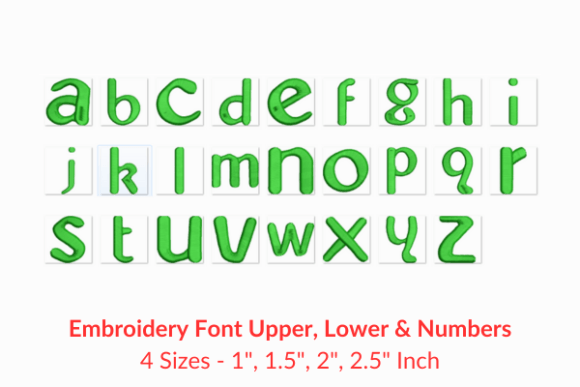
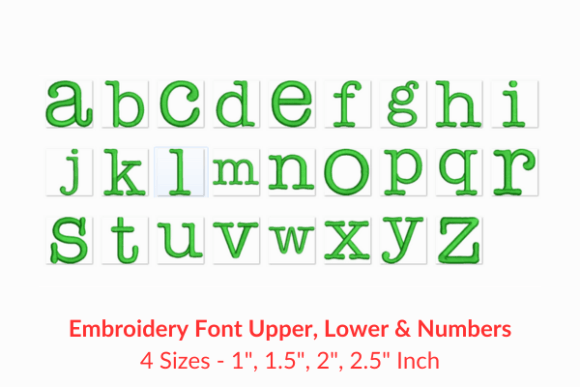
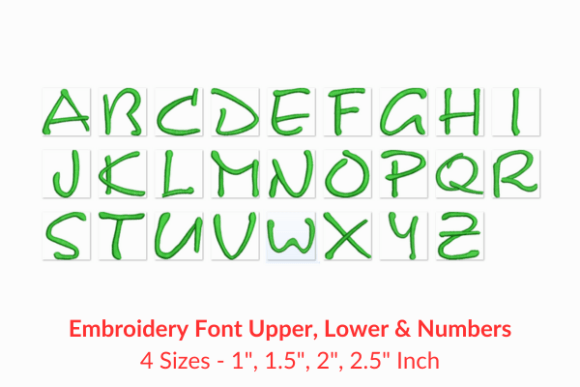
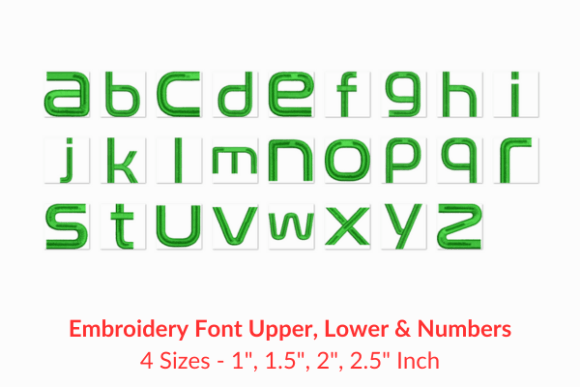
Opening the embroidery file, I noticed the letterforms are built around a playful, slightly rounded structure. Each character incorporates sunflower motifs—either petals radiating from the letter’s curves or small bloom accents tucked into terminals. The mood is optimistic, a little whimsical, and undeniably friendly. It’s the kind of font that feels like sunshine on a summer morning, which makes it perfect for crafts aimed at children, nature lovers, and anyone who wants their handmade product to carry a smile.
Legibility is surprisingly strong despite the decorative touches. The sunflower details don’t swallow the letter anatomy; instead, they enhance it. At a glance, an “E” still reads as an “E”, but the serif might end in a tiny petal. That balance is crucial for a machine embroidery design meant for personalization. If customers can’t read the name at a craft fair, they’ll walk past. The Sunflower Font holds its clarity while adding visual interest. I knew it would photograph well for Etsy listings and printable mockups, which is a quiet but important advantage for digital product sellers and boutique owners.
Testing the Font on a Real Project: The Tote Bag That Earned Smiles
I chose a medium-weight natural canvas tote bag for the test. The fabric is sturdy, slightly textured, and forgiving—exactly the kind of surface where a decorative font should shine. I hooped a piece of medium-weight cutaway stabilizer, floated the tote bag on top with a temporary adhesive spray, and selected a 40-weight polyester thread in golden yellow. The child’s name, “Emma,” was set at two inches tall, which I felt was the sweet spot for this font’s details.
The stitch-out was satisfying. The satin stitch elements that form the sunflower petals laid down smoothly, with no puckering and minimal thread breaks. The fill stitch portions inside the letters kept good coverage, and the running stitch underlay did its job without peeking through. I noticed that the font scaled well at this size, but I’d caution against going much smaller than 1.5 inches. Below that, the delicate petal shapes might start to lose definition, especially on napped fabrics. For a tiny baby onesie, I’d probably test the embroidery on a scrap first to see if the details hold up.
When I handed the tote bag to the child’s mother, the reaction was immediate. “It’s so happy!” she said. That’s the kind of emotional response a basic block font rarely delivers. The Sunflower Font transformed a simple canvas tote into a personalized gift that felt curated and intentional. I could easily see this working on a lunch bag, a pencil pouch, or a preschool nap mat. It’s a school‑ready embroidery design that parents actually want to show off.
Where the Design Performs at Its Best
After the tote bag success, I went through my mental checklist of products that would benefit from this font’s personality. The list grew quickly:
- Back-to-school items: book bags, pencil cases, lunch boxes, and classroom cubby labels.
- Teacher appreciation gifts: personalized aprons, canvas totes, and pillow covers with a teacher’s name.
- Nursery and baby decor: blankies, burp cloths, and crib sheets with a baby’s name in a soft, sunny tone.
- Summer market merchandise: farmers’ market tote bags, gardening aprons, and kitchen towels for outdoor enthusiasts.
- Boutique apparel: lightweight sweatshirts, denim jackets, and sun hats with a cheerful monogram.
- Craft fair staples: embroidered patches, keychains, and small hoop art where the flower motif becomes a standalone accent.
In each of these categories, the Sunflower Font adds a layer of warmth that plain text can’t match. For an Etsy seller or small shop owner, that means you can charge a premium for the personalization. A customer will pay more for a tote bag that features a name in this charming, flower-kissed style than for a generic block letter. The font itself becomes a design asset that elevates the finished product.
Fabric and Placement Considerations
No embroidery font is universally perfect. The Sunflower Font requires careful thought when you move beyond stable wovens. I tested it on a cotton sweatshirt and a stretchy knit cap, and the results taught me a few boundaries.
On the sweatshirt, I used a medium-weight cutaway stabilizer and a water-soluble topper to keep the stitches from sinking into the fleece. The lettering looked crisp and the sunflower details remained visible. However, I’d avoid extremely plush fleece because the tiny petal accents could get lost in the pile. On the knit cap, the curved surface introduced a slight distortion—the letters held their shape, but the overall word felt slightly wavy. It wasn’t a dealbreaker, but if you’re stitching on a cap or a curved bag, plan the placement carefully and use a strong adhesive backing to hold the fabric flat.
Stretchy, thin fabrics like jersey t‑shirts need extra support. I’d recommend a no‑show mesh stabilizer and a light stitch‑out on scrap to check for puckering. The satin stitch elements in the font are dense, and if the fabric pulls, the lettering can look pinched. For dark fabrics, the thread color choice becomes critical. Yellow sunflower petals on a black hoodie can look muddy if the thread isn’t opaque enough. I’d test a few shades on the exact fabric before committing to a full project.
The Stabilizer Strategy That Works
For most projects, a medium‑weight cutaway stabilizer is your best friend. It provides long‑term support and prevents the design from shifting during washes. On towels or terry cloth, add a water‑soluble topping so the stitches don’t sink into the loops. For totes and home décor items, a tear‑away stabilizer can work if the fabric is tightly woven, but I’d still lean toward cutaway on anything that will see frequent use. The font’s combination of satin stitch and fill stitch creates a slightly dense embroidery area, so a stable base is non‑negotiable.
Commercial Appeal and Branding Potential
If you’re a small business owner or craft entrepreneur, the Sunflower Font can become a recognizable part of your brand. Imagine a line of back‑to‑school totes, each personalized with a child’s name in this sunny lettering. The consistency is instantly recognizable, and customers will start to associate that cheerful motif with your shop. You can even use the digital embroidery file to create printable mockups for your listings, which helps buyers visualize the final product before they purchase.
I’d strongly recommend checking the commercial license terms before you sell finished items. The product description mentions this is a high‑quality embroidery font that will help you personalize your designs, but it doesn’t specify the exact license details. Always verify whether you can use the font on products you sell, whether physical or digital. If the license is limited, you might need to adjust your business model. For Etsy sellers and craft fair vendors, having clear permission is crucial to avoid issues down the road.
Technical Insights for Flawless Stitching
The Sunflower Font relies on a mix of satin stitch for the sunflower petals and fill stitch for the letter bodies. The stitch density is well‑balanced for a two‑inch height, but I wish I had the exact stitch count to share. Since the description doesn’t provide that detail, my advice is to run a test stitch on your chosen fabric and stabilizer. This will tell you if the density works for your machine and if any sections need adjusting.
Thread color flexibility is a big plus. You can stitch the entire name in a single color for a subtle, tone‑on‑tone look, or let the petals shine in a contrasting shade. I’ve seen a version where the letter body was white and the sunflower accents were golden yellow, and it looked like a custom applique design. If you’re an embroidery designer, you might even experiment with color stops within the font to create a multi‑tonal effect. Just remember to use a matching bobbin thread to avoid white dots on the back, especially on light‑colored fabrics.
Hoop size is another factor. The product listing doesn’t specify the exact hoop requirements, so check the embroidery file dimensions before you start. Most letters at a two‑inch height will fit comfortably in a 4x4 hoop, but a full name might need a larger hoop. I’d recommend a 5x7 hoop for longer words to keep the stitching area stable.
When to Use Caution
There are a few scenarios where the Sunflower Font might not be the ideal choice. Extremely small lettering—under 1.5 inches—can lose the delicate petal details and turn into a smudge. Very textured or napped fabrics like thick terry cloth can obscure the sharp edges of the satin stitches. Formal projects like wedding handkerchiefs or corporate logo apparel might feel too playful with this font, so I’d save it for casual, heartfelt items. And if you’re embroidering on a tricky curved surface like a cap brim, the letters might distort unless you digitize the placement specifically for that curve.
Despite these limitations, the font’s charm far outweighs the caveats. I’ve already used it on a set of kitchen towels for a sunflower‑themed housewarming gift, and the stitches held up beautifully through multiple washes when I used a poly thread and a cutaway stabilizer.
The Designer’s Verdict: A Sunny Addition to Your Embroidery Toolkit
The Sunflower Font is one of those rare embroidery designs that feels like a personality upgrade for your projects. It’s not just a tool for writing names; it’s a way to inject warmth, nostalgia, and a touch of nature into everyday items. For back‑to‑school products, teacher gifts, and summer market merchandise, it’s a near‑perfect fit. The machine embroidery design com — the description might have cut off there, but the quality speaks for itself — delivers a stitch‑out that is crisp, cheerful, and surprisingly versatile.
If you’re a crafter, an Etsy seller, or a boutique owner who wants to create personalized gifts that feel special, this font deserves a spot in your digital library. Test it on scrap fabric, experiment with thread colors, and frame it in a well‑stabilized hoop. When you see the finished product, you’ll understand why I keep coming back to this sunny little alphabet. It turns ordinary fabric into a handcrafted smile.