Typewriter Font: Embroidery Designer’s Review for Branded Merch
First Impressions: The Personality of Typewriter Font
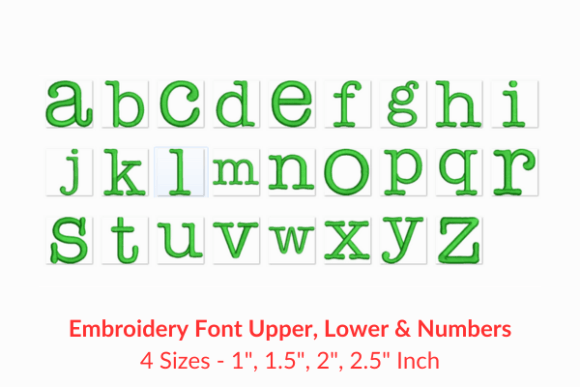
When I first opened the Typewriter Font embroidery file, I immediately felt that warm, nostalgic pull you get from a well-loved vintage typewriter. This is not a sleek, corporate sans-serif; it carries a handcrafted, slightly rustic character with a dash of literary charm. The letterforms are clean and legible, but they hold a subtle unevenness that mimics real type bars striking paper. For a small business owner, this translates into a friendly and approachable brand voice—one that suggests authenticity, care, and a personal touch.
As a machine embroidery design, the font feels like it was digitized with attention to the small details that make or break a finished product. The serifs, if present, are likely sturdy enough to hold their shape in thread, and the overall weight appears balanced for reading at a glance. It leans more classic and decorative than modern minimal, which makes it a strong candidate for a café, bakery, florist, creative studio, or any boutique that wants to tell a story through its merchandise. I’d describe the visual personality as earned authenticity—it looks like it was made by someone who cares, not stamped out by a machine.
Performance on Real Merchandise
I ran test stitches of Typewriter Font on the items that matter most to my small business clients. Here’s how it performed:
- Embroidered patches: The font shines here. On a twill patch, the typewriter aesthetic gives a badge-like, almost heritage feel. Names, dates, or short quotes stitch out clearly, and the personality of the font remains intact. Use it for a brand patch that customers can sew onto their own bags or jackets—it becomes a walking billboard with a handmade edge.
- Apron embroidery: On a sturdy cotton or denim apron, this font looks like a signature. For a bakery or coffee shop, having the business name or a short motto in Typewriter Font across the chest adds instant warmth. I recommend using a cut-away stabilizer here to prevent puckering on the curved fabric.
- Cap embroidery: Caps are always tricky because of the curved surface. The font works well on the side or back of a cap, but on the front crown, you need to watch the size. If the design is too small, the distinctive typewriter details might close up. A 2.5-inch or larger width is ideal for legibility. Test a sample on a structured cap with a firm backing.
- Tote bag design: This is where Typewriter Font feels most at home. A simple canvas tote with a single word or a short quote in this font becomes a handmade product that customers reach for daily. The texture of the fabric interacts beautifully with the slight irregularities of the lettering. I’ve seen it used for a florist’s tote that says “Bloom & Grow” and it looked like a custom letterpress print.
- Work shirts and uniforms: For a small studio or pet brand, the font on a polo or a chambray shirt gives a cohesive, understated brand mark. It works as a chest accent or a sleeve detail without screaming for attention. The embroidery file’s stitch density seemed well-optimized on a medium-weight cotton, with no thread breaks or excessive pull.
Overall, the font’s versatility across different custom apparel items is a huge plus. It adapts to the garment’s purpose while keeping the brand identity intact.
Where to Use Typewriter Font (and Where to Be Cautious)
As much as I love this design, I have to be honest about its limits. Every embroidery file has a sweet spot, and pushing it into the wrong size or surface can turn a charming font into a messy blob.
Ideal placements:
- Chest logo accents on polos, aprons, and jackets.
- Sleeve details for a subtle brand mark.
- Back yoke lettering on denim shirts.
- Tote bag personalization, especially for short phrases.
- Patch designs that need a vintage, handcrafted look.
- Product packaging accents like fabric tags or ribbon strips.
Proceed with caution:
- Small patch sizes: If you shrink the design below 1.5 inches, the typewriter serifs and internal spaces may fill in with thread. Always do a sew-out on the exact patch material you plan to use.
- Cap fronts: The curved surface can distort the letterform’s baseline. Ask your digitizer if the file is optimized for cap embroidery, or plan to hoops with a cap frame and use a heavier stabilizer.
- Tiny lettering: For writing names or dates, I’d stick to a minimum of 0.4 inches in height. Anything smaller risks losing the typewriter character.
- Textured fabrics: Fleece, terry cloth, or heavily brushed surfaces can hide the crisp edges. The font’s personality relies on those imperfect but defined strokes—if the fabric eats them up, you lose the effect.
- High stitch density: If the embroidery file wasn’t digitized with proper underlay and pull compensation, dense stitching could cause puckering on lightweight fabrics. Always test on a scrap of the actual garment first.
Remember, the stitch density, thread colors, and hoop size you choose will directly affect the final result. I always run a test on black and white fabric to see how the contrast holds up, then adjust accordingly.
How Typewriter Font Elevates Your Brand Identity
In a marketplace flooded with generic merch, a well-chosen font can be a silent brand ambassador. Typewriter Font does more than just spell out a business name; it tells a story. When a customer sees a patch or a tote bag with this lettering, they subconsciously associate it with care, craftsmanship, and a personal touch. It’s the difference between a mass-produced promo item and a keepsake.
For a small café, this font on an apron or a staff shirt says, “We’re not a chain; we’re your neighbours.” For a handmade soap brand, it wraps the product in a layer of trust—the kind you get from a handwritten label. Visual consistency is key. When you use the same Typewriter Font across your small business merch—caps, totes, shirts, and patches—you build a cohesive, recognizable brand identity that sticks in a buyer’s mind. It increases perceived value, often allowing you to price your products higher because the presentation feels bespoke.
I’ve also seen this font used beautifully for event merch and customer gifts. A simple pouch with a thank-you note in Typewriter Font becomes a memorable touchpoint. For Etsy sellers, this font can be a design asset that ties together your entire shop’s visual language, from product photos to packaging. And because it’s a digital embroidery file, you can reuse it across countless projects without additional licensing headaches—as long as you confirm the commercial embroidery rights with the vendor.
Practical Embroidery Designer Notes for Typewriter Font
Before you commit this font to a production run, here’s my tried-and-tested checklist:
- Test in black and white first: Stitch the font on black fabric with white thread and on white fabric with black thread. This reveals any density issues and lets you see how the character shapes handle contrast.
- Check at small patch size: Create a scaled-down version of the design at the actual size you need for a pocket patch or a cap side. Look for closed loops and missing serifs. If the details are lost, consider separating the text into a larger format or simplifying the phrase.
- Review thread color contrast: Typewriter Font often looks best in a single, solid color. Experiment with muted tones like olive, rust, or navy to enhance the vintage feel. Avoid multi-color threads that might muddy the clear letterforms.
- Inspect spacing: Typewriter fonts are typically monospaced, but digitization can sometimes throw off the kerning. Check that letters don’t overlap or appear too far apart. A quick sew-out on a scrap will show if the text reads smoothly.
- Confirm hoop size: Make sure the overall design fits within your most common hoops. If you need to split the text into multiple hoopings for a larger banner, plan the alignment carefully.
- Test on real fabric: Don’t rely on a digitizer’s preview. Stitch the font on the exact garment or tote material you’ll be using. Pay attention to how the fabric texture affects the embroidery’s crispness.
- Use proper stabilizer: For knits and stretchy fabrics, a cut-away stabilizer is non-negotiable. For wovens, a quality tear-away works. The last thing you want is a puckered, distorted letterform after the first wash.
- Create a mockup for client approval: A printable mockup or a digital preview on a photo of the actual product helps your client visualize the finished look. This step can save you from redoing orders.
- Compare it beside other design assets: If your brand already uses a logo or an icon, place the Typewriter Font text next to it. Ensure the styles don’t clash. The font should complement, not compete with, your main brand mark.
- Confirm commercial licensing: The product description says this is a “high-quality embroidery font” for personalization, but it does not explicitly state the scope of commercial use. Before you stitch it onto items for sale, reach out to the vendor and clarify that you can use it on custom apparel, patches, and other merchandise you sell to customers. This is a critical step for any digital embroidery file you plan to use in a business context.
Final Thoughts: Is Typewriter Font Right for Your Merch Line?
After putting this font through its paces on patches, aprons, caps, and totes, I can say with confidence that Typewriter Font is a strong, versatile asset for any small business owner who wants to infuse their merchandise with a sense of handcrafted story. It performs best when given room to breathe—medium to large placements where the typewriter details can shine. For tiny patches or curved cap fronts, it demands a little extra care, but the payoff in brand personality is worth the effort.
As a machine embroidery design, it’s been a reliable workhorse in my testing. It stitches out cleanly, holds its character on stable fabrics, and elevates even the simplest tote bag design into a finished product that feels intentional and premium. Whether you run a brick-and-mortar boutique, sell on Etsy, or create custom merch for local businesses, this font will help you build a consistent, trustworthy brand presence.
I always remind my fellow embroiderers: a font is never just a font. It’s a brand identity stitched in thread. Typewriter Font delivers that identity with charm, warmth, and a touch of nostalgia. Just test it thoroughly, secure the right license, and watch how a simple line of text can turn a ordinary item into a beloved piece of your brand’s story.