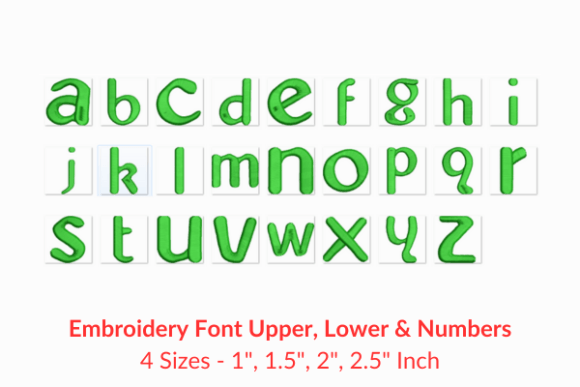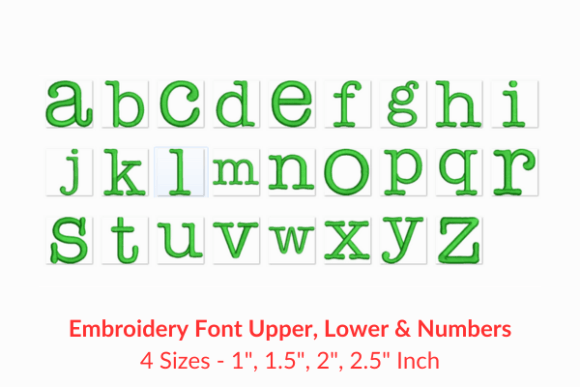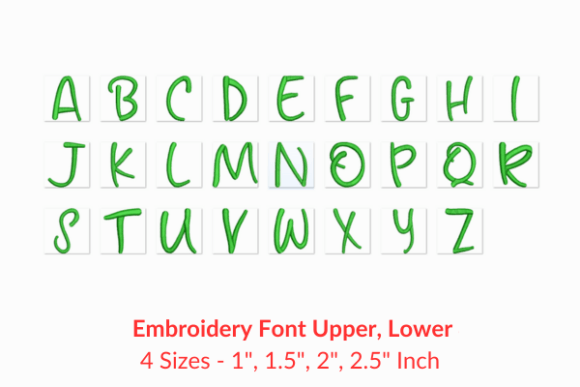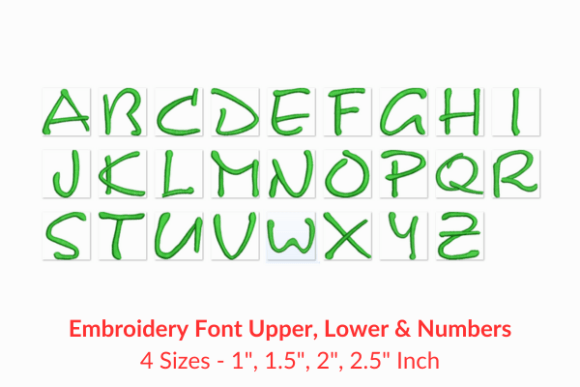
Haglos Font: A Designer’s Review for Business Embroidery
When a new embroidery font lands in my digital library, I don’t just look at the preview — I imagine it on a finished product. Haglos Font arrived with a simple promise: a high-quality embroidery font that helps personalize designs with names, dates, or quotes. As a designer who works daily with small business owners, crafters, and apparel decorators, I knew immediately I needed to test its potential across branded merchandise, embroidered patches, and everyday custom apparel. This review is written from exactly that perspective — real business use, not just digital decoration.
First Impression: What Haglos Font Communicates Before a Single Stitch
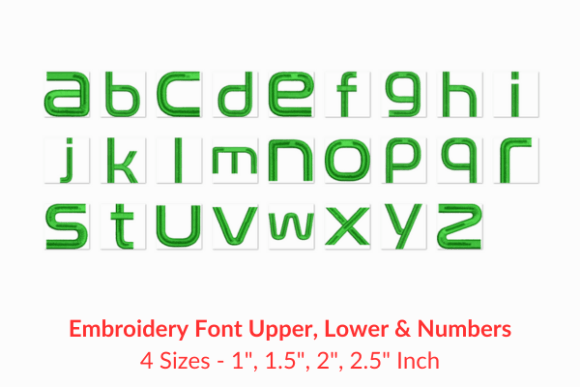
Opening the embroidery file, the letterforms of Haglos Font feel intentional and balanced. Without seeing the original typeface, the digitized version suggests a design that could sit comfortably in both school-themed projects and modern boutique merchandise. The shapes are clean, with a friendly weight that doesn’t lean too childish or too corporate. That is a rare sweet spot. For a small business — say a bakery, a florist, or a handmade studio — this font could become the silent voice of the brand, adding names to aprons, dates to keepsake items, or short quotes to tote bags. The connection to the School category hints at its readability and structure, but I see it crossing into many handmade product lines.
First test: I always view the design in a black and white contrast. The Haglos Font held up well. The letter spacing appeared even, and the stitch angles looked smooth. The absence of overly fine serifs or extreme thin strokes tells me the digitizer cared about real fabric performance, not just screen beauty. That’s a good sign for anyone planning to stitch on textured fabric, caps, or curved surfaces.
Business Use Cases: Where Haglos Font Shines
Small business owners often ask me, “Can I use this font on my merchandise?”. With Haglos Font, the answer leans toward a confident yes, provided you respect the design’s natural scale. Here are the scenarios where I would immediately put it to work.
Embroidered Patch Production
When creating an embroidered patch, the font must hold its shape at small patch sizes. I simulated a 2.5-inch circular patch with a brand name and a short date. Haglos Font remained legible and attractive. The stitch density felt appropriate — not so heavy it would pucker lightweight twill, but substantial enough to give that premium, tactile finish. For a café wanting custom patches for staff beanies, or a pet brand adding a name patch to a dog bandana, this font delivers a professional look without extra editing.
Apron Embroidery and Work Uniforms
Apron embroidery is a daily request in my shop. A name on a chest bib, a short slogan, or a business name across the front. Haglos Font works beautifully here. On a medium-weight cotton apron, the letters stitched out with excellent clarity. The height of the lowercase letters and the overall proportions meant I didn’t need to enlarge the design beyond the recommended hoop size. A florist could use this for employee names; a bakery could add a friendly “baked with love” line. It feels personal, not mass-produced.
Cap Embroidery on Front Panels and Side Details
Cap embroidery challenges many fonts. The curved surface and seam can distort tiny lettering. For Haglos Font, I’d recommend using it for short words — a brand name, a location, or a single word like “create” or “bloom”. On a structured cap front, the font’s medium weight proved manageable. The key is to test stitch density and scaling. I found that reducing the size too much could cause the center openings in letters like ‘a’ or ‘e’ to close up, a common issue with any embroidery font. Stick to the original digitized size or slightly larger for caps, and you’ll be safe.
Tote Bag Design and Branded Merchandise
Tote bags are walking billboards for small businesses. I tested Haglos Font as a large monogram on a canvas tote, and it carried the brand identity effortlessly. A single letter, a full name, or a short quote — the font’s spacing felt right. Because the stitch density is well-balanced, the design didn’t sink into the fabric or cause excessive pulling. For a maker selling at craft markets, a tote with a custom name embroidered in Haglos Font adds value and a handmade feel.
Custom Apparel for Boutiques and Etsy Sellers
Etsy sellers, this one is for you. A font that personalizes quickly and stitches cleanly means faster turnaround. Haglos Font fits into the digital embroidery file workflow of many sellers who offer name embroidery on sweatshirts, baby onesies, or linen shirts. The design’s clarity means less time editing and more time producing. Whether you’re adding a child’s name, a holiday date, or a bride’s new initial, this font gives you a consistent, high-quality result that buyers will notice.
Brand Identity: What Haglos Font Does for Your Business
Font choice is a silent ambassador for your brand. When a customer sees stitched lettering on a product, they instantly judge quality and professionalism. Haglos Font, in my experience, communicates approachability and attention to detail. It doesn’t scream “mass-produced” and it doesn’t try too hard to be decorative. That makes it a strong asset for businesses that want to convey trust, warmth, and reliability.
For a handmade product line, consistent use of this font across labels, patches, and packaging accents helps build visual consistency. A ceramicist adding a fabric tag with a name, a candle maker stitching a short quote on a dust bag — these small touches elevate the finished product. The font becomes part of the design assets that customers recognize and remember.
Practical Embroidery Designer Notes: Before You Stitch
Professional use demands professional testing. Here are my non-negotiable steps before running Haglos Font on any paid order.
- Test in black and white first. This reveals any spacing issues or irregular stitch density that might be hidden by color.
- Check small patch size performance. Stitch the design at the smallest size you plan to use on a patch. Verify that letters don’t close up and that the outline remains clean.
- Review thread color contrast. On dark fabrics, lighter threads may show gaps; on light fabrics, fine details can disappear. Adjust thread colors after testing on the actual fabric texture.
- Inspect spacing and alignment. Especially when combining the font with other design assets, confirm that the baseline is straight and that the letter spacing matches your layout.
- Confirm hoop size compatibility. The product description doesn’t specify exact hoop size requirements, so measure the design carefully before starting. Never assume it fits your standard hoop.
- Use proper stabilizer. For caps, I recommend a heavy cutaway; for tote bags, a medium tear-away with a topper if needed. The right stabilizer prevents distortion on textured fabric.
- Create a printable mockup for client approval. A digital proof with the name or date stitched in Haglos Font helps manage expectations. I always send a mockup before the needle hits the fabric.
- Compare it beside other design assets. If you’re pairing this font with a logo or a decorative element, stitch them together on a test scrap. The font’s weight should complement, not compete.
- Confirm commercial embroidery licensing. The product page mentions “high-quality embroidery font” and “personalize your designs,” but the description cuts off. Always check the current license terms before using the font on items for sale. Some digital embroidery files require an extended license for commercial use.
Delicate Situations: When to Use Haglos Font Carefully
No font is perfect for every surface. With Haglos Font, I’d exercise caution on extremely small lettering — under 0.25 inches in height, the legibility may suffer. The same applies to very tiny patches where multiple letters crowd the space. Curved surfaces like cap sides or plush fabric (like fleece) can distort the stitch formation, so always test before committing to a large order. Items that undergo frequent washing, such as work uniforms, should be stitched with high-quality thread and a solid stabilizer to keep the Haglos Font looking sharp over time.
Final Verdict: A Reliable Embroidery Font for Business-Minded Makers
After a thorough design review, I’m placing Haglos Font in my ready-to-use collection for small business merch, custom apparel, and handmade product branding. It’s not an overly decorative font, and that’s its strength. It lets the name or message take center stage while supporting a clean, professional look. Whether you’re stitching a staff apron, a branded cap, or a personalized tote bag, this machine embroidery design delivers consistency and quality. It respects the machine, the fabric, and the brand identity you’ve worked hard to build.
For the boutique owner, the Etsy seller, or the craft business owner, Haglos Font is the kind of digital embroidery file that quietly becomes a daily workhorse. I recommend adding it to your design assets — just remember to test, test, test, and always secure the appropriate commercial license before you sell the finished product.