Mellati Font Embroidery: A Designer’s Test for Personalized Gifts
When I first loaded the Mellati Font into my embroidery software, I immediately saw a design that could transform a simple fabric item into a heartfelt keepsake. As an embroidery designer who spends hours testing every new machine embroidery design before it touches a customer order, I’m always looking for fonts that balance charm, readability, and stitch quality. Mellati Font caught my attention with its soft, approachable lettering — a style that sits somewhere between playful and elegant, making it incredibly versatile for a wide range of personalized gift products.
In this review, I’ll walk you through how I would use the Mellati Font in a real small shop setting, from first impressions and product ideas to the practical embroidery checks every Etsy seller or handmade product creator should perform before offering a new design. Whether you’re trying to envision a finished embroidered towel, a delicate baby embroidery blanket, or a romantic wedding gift pillow cover, I’ll share exactly what I look for during the testing phase.
First Impressions: The Look and Feel of Mellati Font
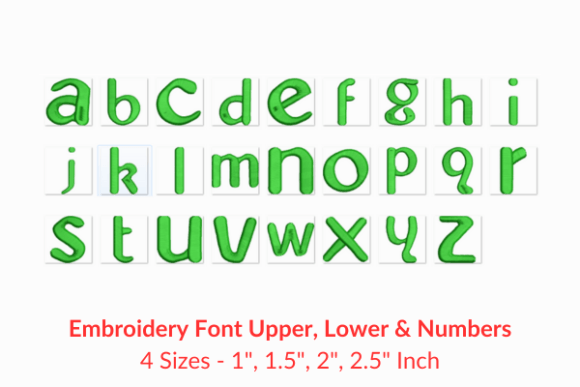
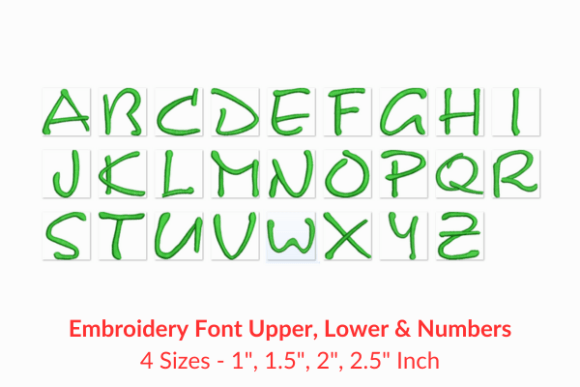
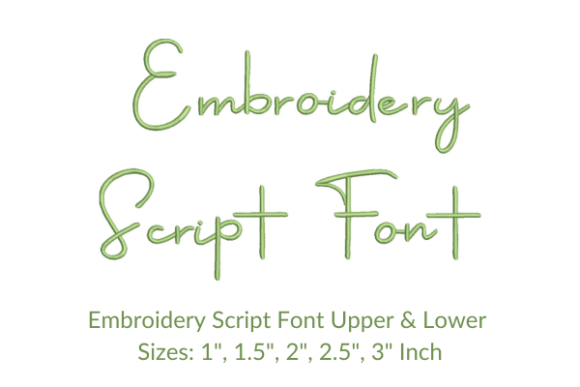
The moment I saw the Mellati Font lettering on screen, I felt a sense of warmth. The characters have a gentle, slightly rounded silhouette that feels both modern and timeless. It’s not overly ornate, so it doesn’t compete with the fabric or other design elements, but it has enough personality to make a name or date feel special. I’d describe the mood as sweet with a touch of romantic simplicity — perfect for custom embroidery that aims to tug at the heartstrings.
I particularly appreciate that the letters maintain a clean, even baseline. That’s a huge plus when you’re stitching names or short quotes on products that will be photographed for printable mockup listings or displayed at craft fairs. The font’s details aren’t so fine that they’ll disappear on a textured fabric, yet they aren’t so chunky that they lose that delicate, handmade feel. For small shop product lines built around thoughtful gifting, this balance is everything.
How Mellati Font Elevates Personalized Gift Products
Now, let’s picture a real customer scenario. A client wants to order a personalized gift for a baby shower — perhaps a soft blanket embroidery with the newborn’s name, or a nursery pillow cover with a sweet quote. When I test the Mellati Font in my stitch simulator, I can already see how it would add a layer of understated elegance to those items. The letterforms feel tender, almost like a handwritten note, but with the precision of a well-digitized embroidery file.
Here are just a few gift products where I’d confidently use this font:
- Baby blankets and swaddles — a soft, elegant name in the corner instantly makes the item a keepsake
- Wedding pillow covers — stitch the couple’s names and wedding date for a romantic, lasting wedding gift
- Kitchen towels and aprons — a short, sweet message turns a practical item into a charming hostess present
- Tote bags — a name or monogram in Mellati Font upgrades a simple bag into a stylish everyday accessory
- Nursery wall decor — framed fabric hoops with the baby’s name and birth details look beautiful with this font
For Etsy sellers or craft fair vendors, the Mellati Font opens up a whole product line. You can offer each piece as a ready-made handmade product or as a made-to-order option, and because the font is so versatile, you don’t need five different styles to cover baby, wedding, and home categories. That kind of consistency helps build a recognizable brand aesthetic.
Where to Use Mellati Font with Extra Care
Like any machine embroidery design, Mellati Font isn’t a one-size-fits-all solution. Over the years, I’ve learned that even the prettiest embroidery file can turn into a mess if you don’t think about the fabric and product end use. Here’s where I’d be extra cautious before stitching:
- Small lettering under 0.5 inches — test the stitch density and thread coverage. If the font has delicate connectors, tiny letters on a thick towel might become illegible.
- Highly textured fabrics like thick terrycloth — the loops can swallow the satin stitches. I’d use a topper and a sharp needle, and possibly increase the letter size slightly.
- Stretchy baby clothes or onesies — they require a fusible stabilizer and careful hooping. The Mellati Font’s rounded letters might distort if the fabric pulls, so I always test on an identical scrap first.
- Curved surfaces like caps or cuffs — the font’s charm relies on its even baseline. On a curved surface, a name might look tilted, so I’d only use it on flatter areas.
- Dark fabric with light thread — any slight density gaps will show more. I’d run a test on a black swatch to ensure the thread colors pop without an underlay that peeks through.
- Items that need frequent machine washing — I’d check the stitch integrity and consider a gentle wash cycle. If the font’s satin stitches are too long, they might snag over time.
In all these cases, my advice is the same: always test on scrap fabric. I never trust a new digital embroidery file on a customer’s one-of-a-kind blanket without a thorough trial run. Because the Mellati Font product description doesn’t list exact stitch density or recommended hoop size, I’d make a note to check those parameters myself before introducing it into my production flow.
The Emotional Power of a Well-Chosen Embroidery Font
One thing I’ve noticed after years of selling handmade product lines is that the right font doesn’t just decorate — it deepens the emotional connection. When a customer sees a baby blanket with the Mellati Font name stitched in a soft pastel thread, they don’t just see letters; they feel the care that went into that gift. The finished product immediately gains perceived value because it looks intentional, not like a rushed afterthought.
This is crucial for customer trust. People buying personalized gift items online are often nervous — they’re imagining a name on a screen and hoping it translates to something beautiful. When I use a font like Mellati Font that stitches out with a clean, consistent look, I know I can confidently show close-up photos in my listings. Those buyer engagement details — the even satin stitches, the smooth curves — directly influence whether someone clicks “Add to Cart.” The font essentially becomes part of the product photography story.
For wedding gift designers, this emotional appeal is even more important. A pillow cover with the couple’s names in Mellati Font doesn’t just commemorate a date; it becomes a daily reminder of a special day. The font’s gentle, romantic character makes it feel like a love letter stitched in thread, which is exactly the kind of handmade quality that couples cherish.
Practical Embroidery Notes for a Flawless Finish
Before I list a new embroidery file on my product menu, I run through a detailed checklist. Here’s what I’d do with the Mellati Font to ensure every custom embroidery order turns out right:
- Test on the exact fabric you plan to sell — don’t assume a test on cotton broadcloth will behave the same as a fleece blanket or linen towel.
- Check thread color contrast carefully — pale pink thread on white fabric might wash out, while dark thread on light fabric can reveal every tiny stitch. I always test two or three thread colors before offering them as options.
- Confirm your hoop size matches the design area — if the name is long, you might need a larger hoop. Since the Mellati Font description doesn’t specify the letter dimensions, I’d digitize a sample name and measure the stitchable area.
- Review stitch density — if the font feels too dense for a lightweight fabric, it can cause puckering. On the other hand, too low a density can make the name look sparse. I adjust my machine settings or underlay if needed, but I always start with the original digital embroidery file specs.
- Use the proper stabilizer for the fabric type — a tear-away might work for a woven tote bag, but a knit baby blanket needs a cut-away stabilizer to prevent shifting over time.
- Compare light and dark fabric mockups — I stitch the same name on a white swatch and a black swatch to see how the font’s details hold up. This is especially helpful for printable mockup images I’ll use in my shop.
- Inspect small details after stitching — after the final stitch, I look at the inside of the fabric for any loose threads or gaps, and I trim carefully. A clean back speaks volumes about handmade quality.
- Confirm commercial licensing before selling finished products — I never assume. The Mellati Font is a high-quality embroidery font likely intended for commercial use, but I always check the seller’s terms. This protects your small shop product line from any legal worries.
Mellati Font for School-Themed Projects and Beyond
While the Mellati Font shines on baby and wedding items, I also see its potential in the School category. Think about teacher appreciation gifts: a personalized tote bag with a teacher’s name, a pencil pouch for a student, or a lunchbox tag with a child’s name. The font’s friendly, clean look works beautifully for anything headed to a classroom or a first-day-of-school photo. Back-to-school season is a huge opportunity for Etsy sellers who offer custom embroidery, and I’d definitely add this font to my school-themed personalized gift collection.
Even for older students, a monogrammed dorm pillow or a graduation sash with the year stitched in Mellati Font adds a touch of sentimental value. The font’s approachable style doesn’t feel babyish, so it can grow with the recipient — making it a smart choice for a wide range of finished product ideas.
A Designer’s Final Test Before Selling
After all the testing, my fundamental question is: Would I trust this embroidery font on a customer’s most meaningful gift order? For Mellati Font, the answer is a confident yes, as long as I’ve done my homework on fabric, stabilizer, and size. The font brings a tender, upscale emotion to every machine embroidery design project I can imagine, from a baby embroidery keepsake to a wedding gift pillow cover. It’s the kind of design that helps a small shop product stand out in a crowded market.
If you’re a fellow embroidery designer, a craft fair vendor, or an Etsy seller looking to refresh your personalized gift lineup, I highly recommend adding the Mellati Font to your digital embroidery file library. Just remember to run it through your own tests, confirm the hoop size and stitch density that work for your machine, and always double-check the commercial embroidery license. A little preparation goes a long way toward turning a simple embroidery file into a product that feels like a piece of someone’s heart.